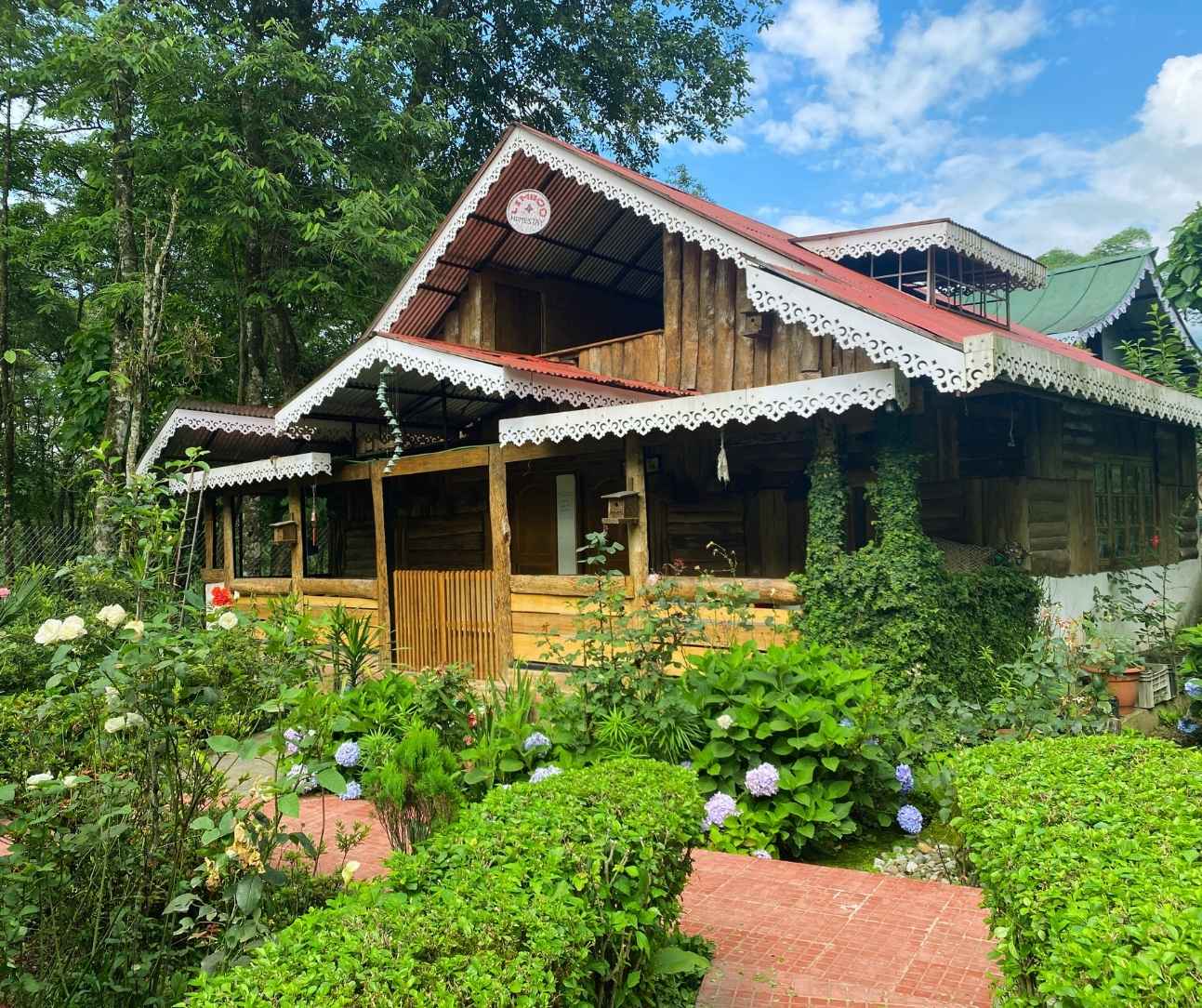
Sikkim, India
Est. 2001
Limboo Homestay
Welcomes you to Yuksom.
Welcomes you to Yuksom.
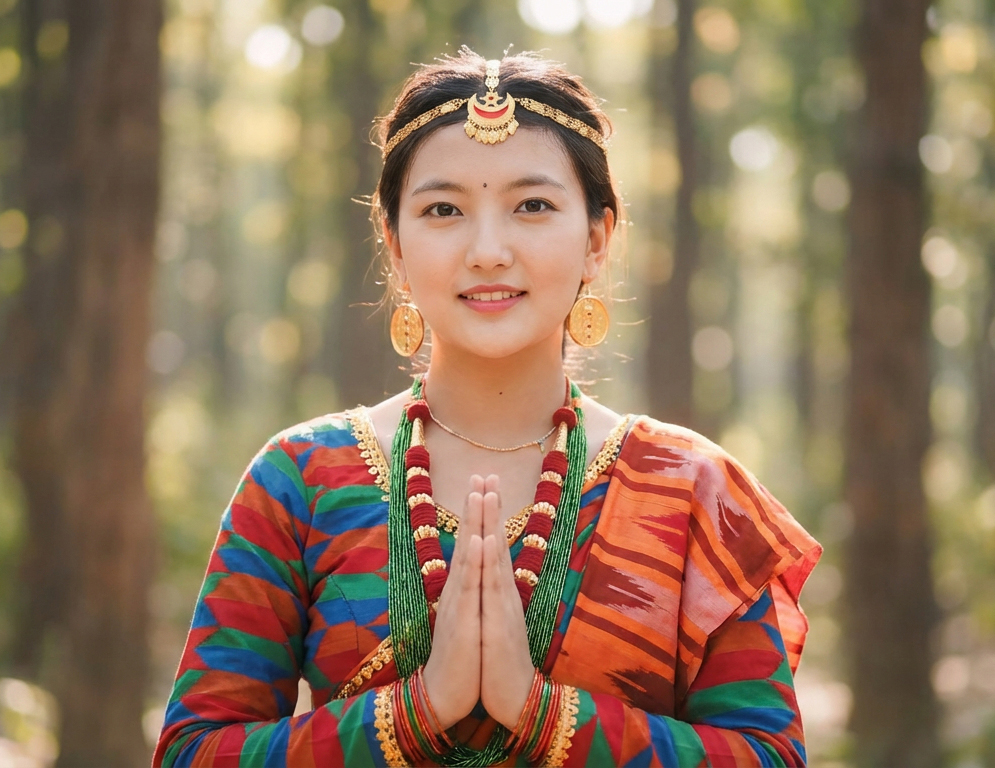
Thank you for choosing Limboo Homestay. We are glad you are here.
This little place has been our family home long before it became a homestay. When we opened our doors to travellers in 2001, we had a simple thought: share what we have. Good food from our garden, clean rooms, honest company, and the quietness of Yuksom.
Twenty-four years later, that thought has not changed. You are not a customer here. You are a guest in our home.
"We hope you rest well, eat well, and leave with a few memories worth keeping."
Budha Rani Limboo, DS Limboo, and daughter Ikla Limboo, Nusenla Limboo, Sandhya Limboo are the soul of this place. We have spent over two decades running this homestay with our hands in the kitchen and our feet in the garden.
Every meal you eat here is prepared by us, using vegetables and herbs grown right outside your window or sourced from surrounding Villages.
Together, we have hosted thousands of travellers from across India and around the world, and every single one has been treated the same way: like family.
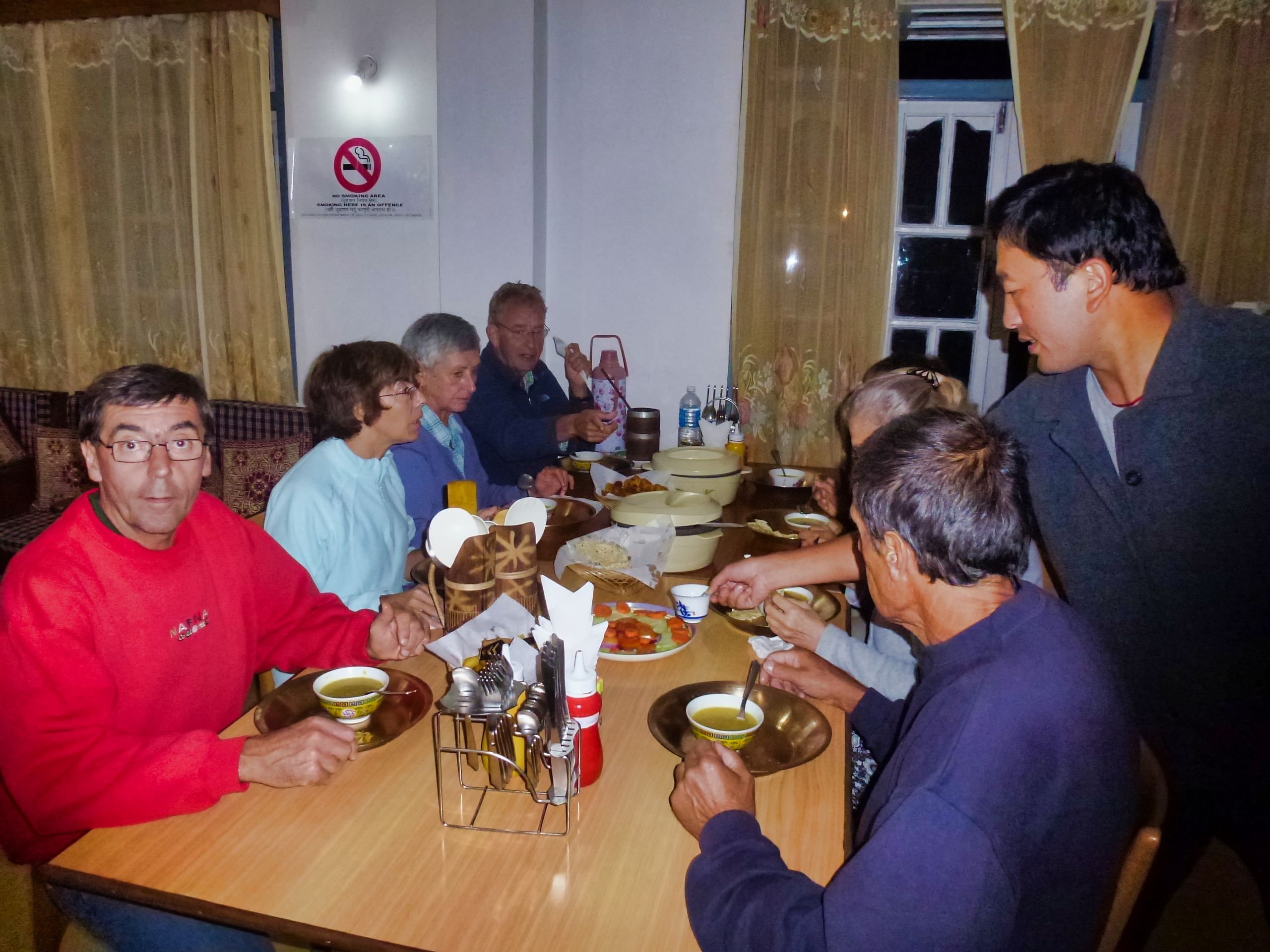
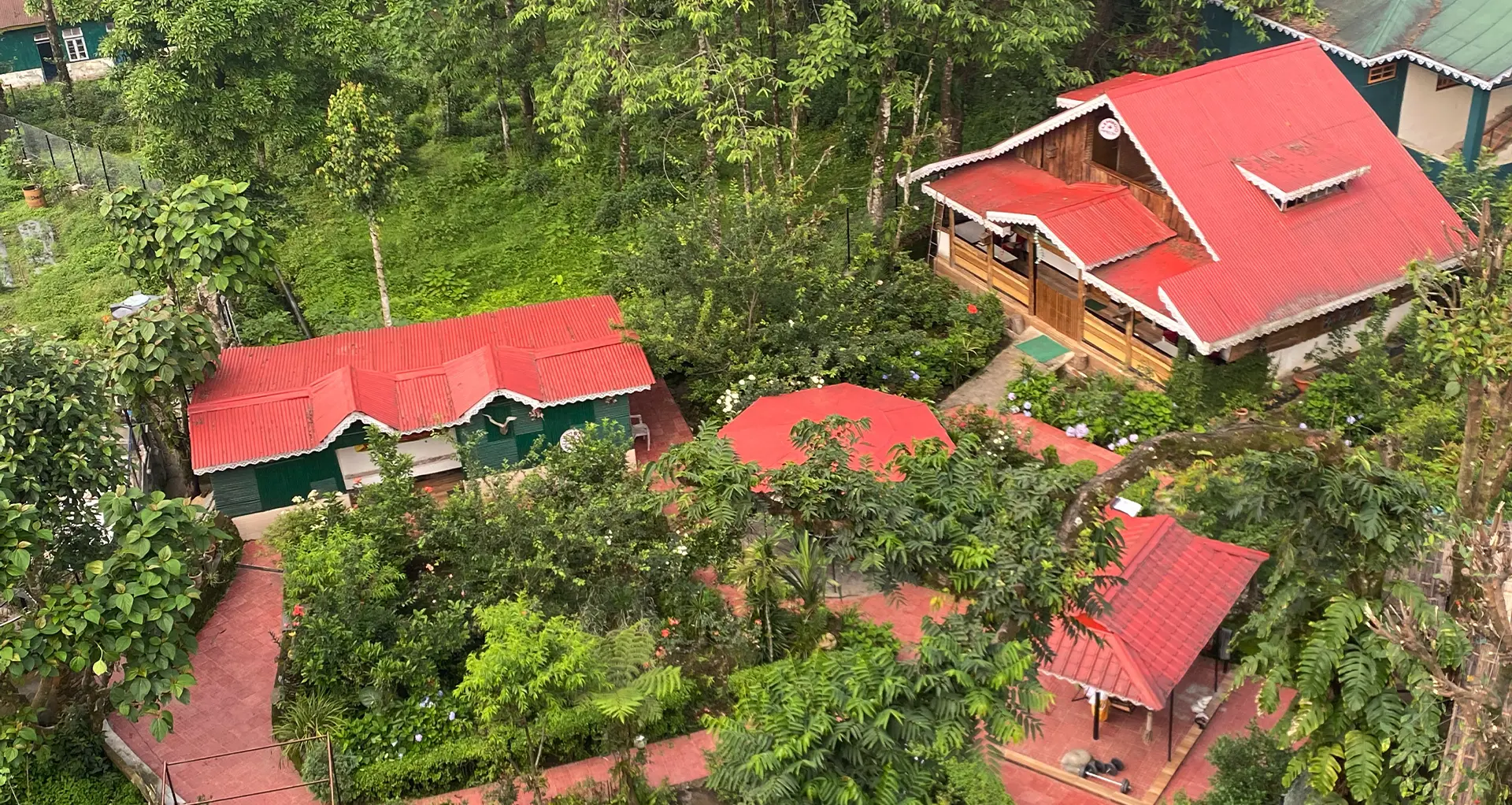
Limboo Homestay sits in Yuksom, the first capital of Sikkim, opposite the Primary Health Centre and a short walk from the main bazaar. What you see around you, the cottage, the rooms, the garden, all of it was built gradually over the years, one room at a time, one plant at a time.
The humble garden feeds us, and it feeds you. The vegetables on your plate, the flowers on the table, and the shade you sit under all come from the same soil that our ancestors tended every morning.
We are a simple homestay. We do not try to be a hotel or a resort. What we offer is a clean bed, a home-cooked traditional meal, and people who genuinely care about your comfort. For many of our returning guests, that has always been enough.
Misconception behind the "Limboo homestay" name
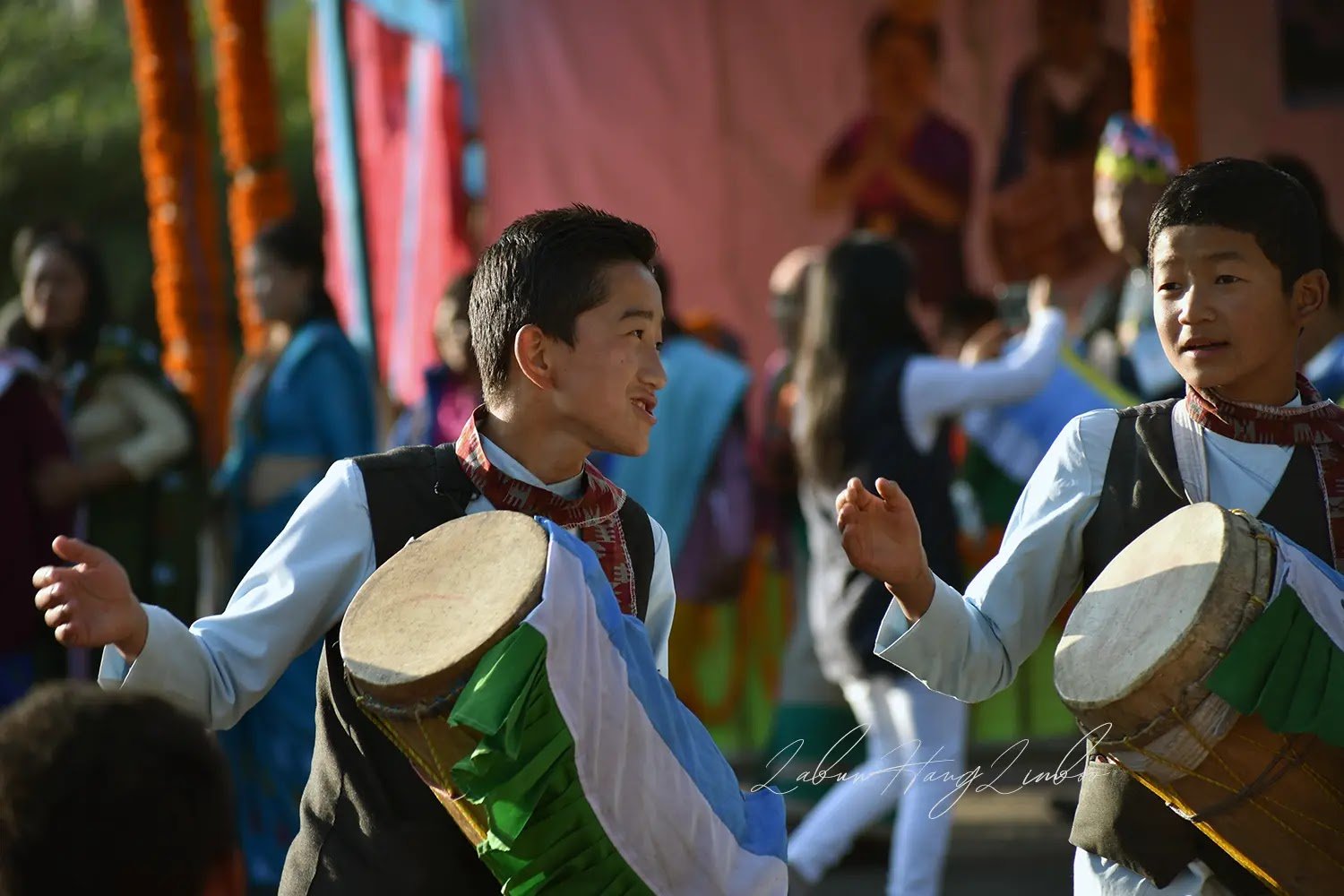
Most of our guests assume Limboo is a family surname. It is much more than that. Limboo is the name of one of the oldest indigenous communities of the Himalayas. When you hear the word, you are hearing a piece of history that stretches back centuries before modern Sikkim was formed.
The Lepchas and Bhutias of Sikkim have called them Tsong since ancient times, recognising them as a distinct community native to this land. The Gorkha armies, who encountered them during military campaigns, named them Limboo, meaning "archer," after their skill with the bow. But the community chose the name Yakthumba, a word from its own language. Yak means hill, thum means place, and ba means people. Hill People. That is who they are in their own words.
"In 1642, when the Kingdom of Sikkim was founded through the Lho-Men-Tsong-Sum pact, the Limboo were among its three founding communities... They were not subjects. They were co-founders."
Even the word "Sikkim" has Limboo roots. Queen Thungwamukma, a Limboo princess married to the second Chogyal, saw the newly built royal palace at Rabdentse and called it Sukhim in her mother tongue. Su means new. Khim means house. New House. That word, spoken in a moment of wonder by a Limboo queen, became the name of an entire state.
The Limboo follow Yuma Samyo, an ancient faith centred on the feminine divine. Their sacred oral scriptures, the Mundhums, have been passed down through generations by memory, in the form of song and ritual. These are not relics of the past. They are living traditions, still practised, still sung, still guiding the community today.
If all of this is new to you, there is a reason. After the 1973 Tripartite Agreement, the Tsong seat in the Sikkim State Council was abolished without consultation. The Limboo were quietly reclassified and clubbed into the broader "Nepali" category, despite having a different language, a different faith, and a history that predates the Nepali presence in Sikkim by centuries.
Overnight, a founding community became invisible in its own land. Their distinct identity was buried under an administrative label that was never theirs. That is why most people outside Sikkim have never heard of the Limboo as a separate community. It is not because they are small or insignificant. It is because their identity was taken from the record.
So when you see the name Limboo on our signboard, know that it carries the weight of a civilisation. A people whose language named this land. Whose ancestors helped build this kingdom. Whose ancestors' stories were painted from the blood, sweat, and tears into the mountain trails you see from your window.
If the story of the Limboo people stayed with you, there is more to read. Labun Hang Limboo has written a detailed account of their history, struggles, and resilience.
It is a long read. But it is the kind of long read that changes how you see the place you are sitting in right now.
The Limboo community content in this section is drawn from "The Tsong Limboo: Silenced Voices Among the Communities of Sikkim" by Labun Hang Limboo, a writer and columnist from Yuksom, West Sikkim.